The October journal is now available.
The Catholic Mother May 2026
It will go awry
“A year is such an odd packet of time. It seems so ordered: a dozen months, a handful of seasons. Deceptively even. Make no mistake it will go away in every which way.
Balance?
Impossible.
Control?
Not worth mentioning the word.
Some days cling and others run, many shifting just enough to incommode but give no great variety. And then out of the pedestrian blue comes an explosion which reduces all plans to smithereens. The reward for making it through? Getting to do it all again.”
– The Unselected Journals of Emma M Lion vol 7
It truly IS a gift to have the reward of both making it through whole years and the promise of more to follow. Blessing and trial. Abundance and loss. Frustration and hope.
The Catholic Mother April 2026
Two Weeks Old
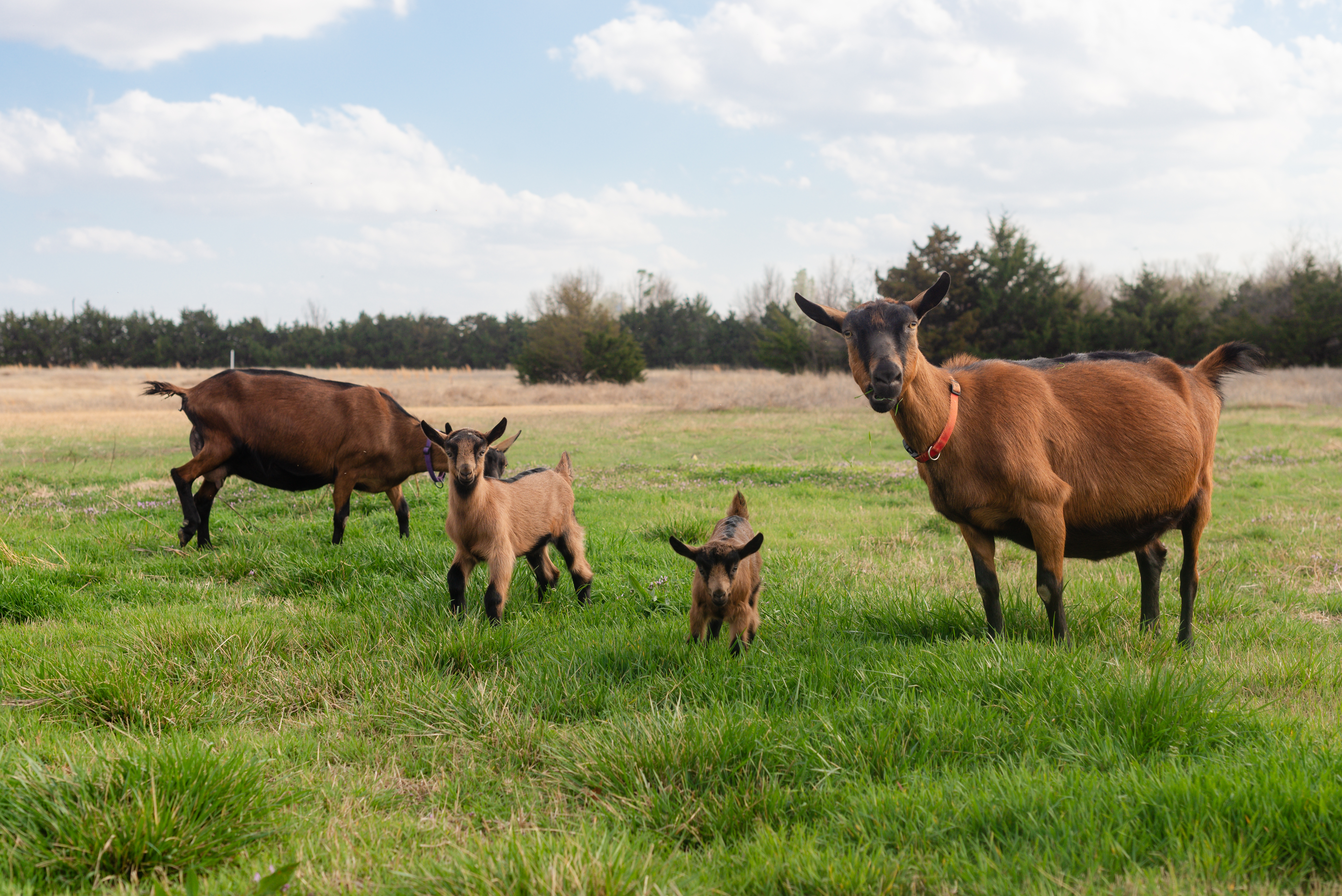
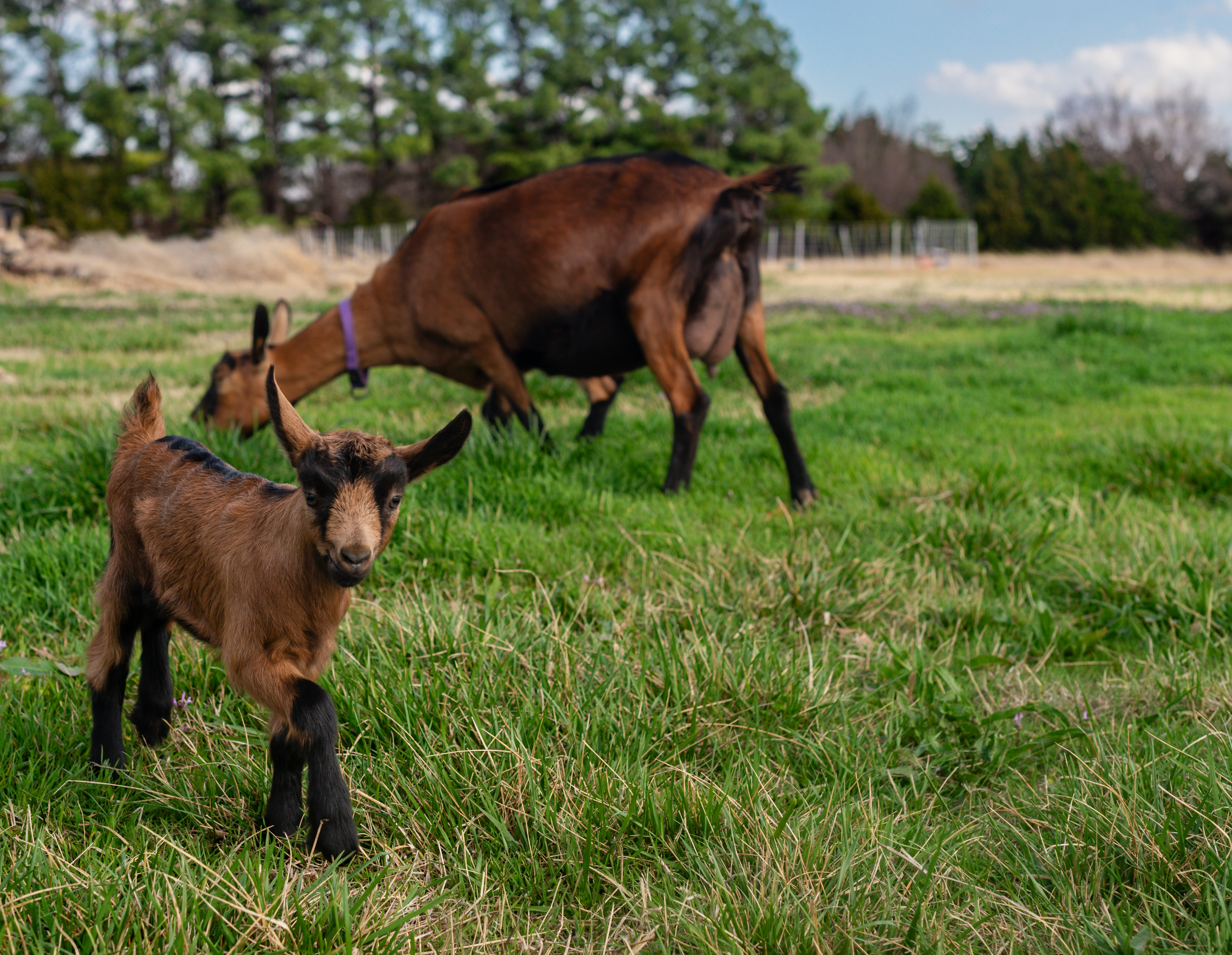
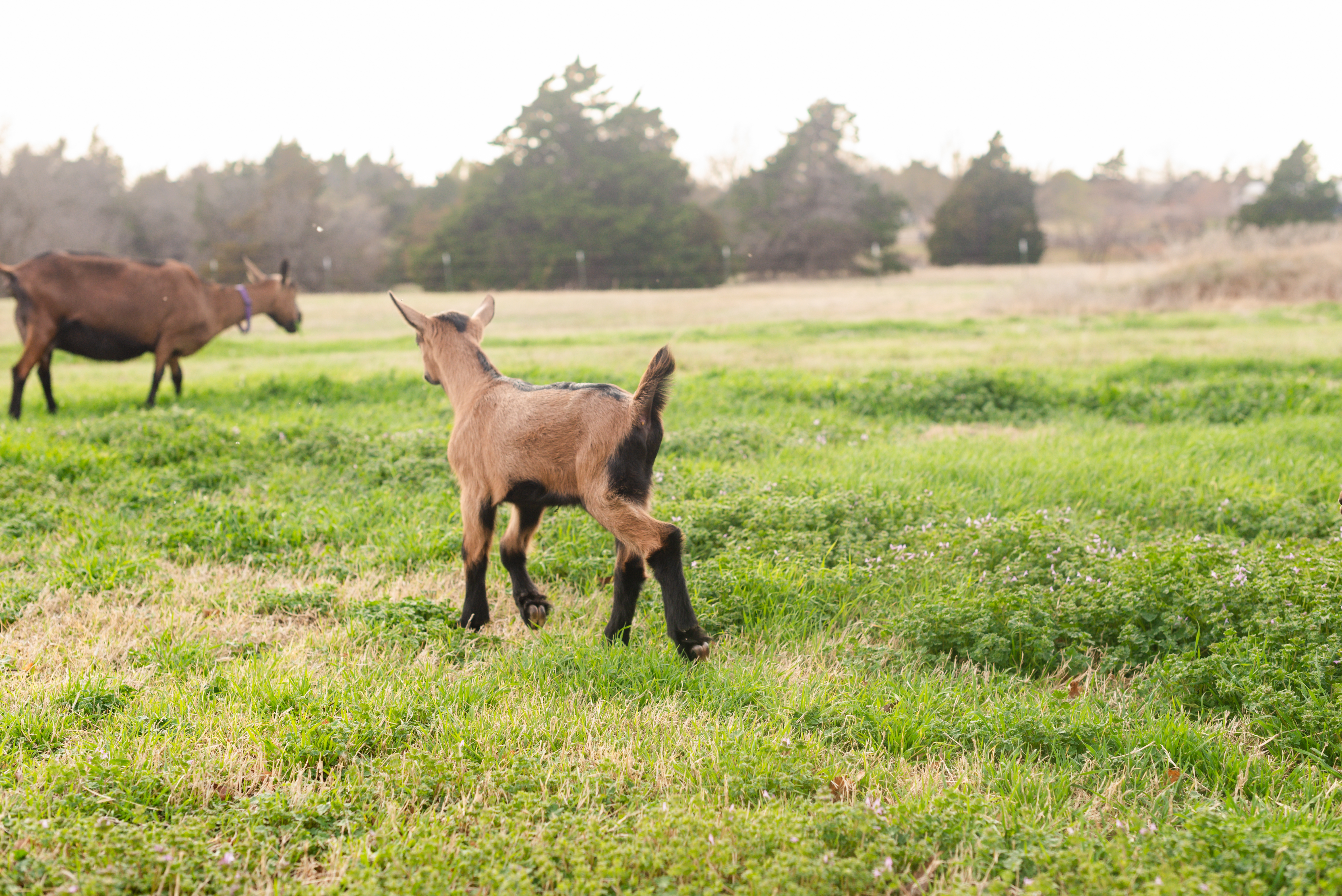
Jemma’s kids are two weeks old. It is a glorious and short season each spring when you can look out the kitchen window and see babies bouncing around the newly green pasture. Makes all the worry and anguish of the actual kidding process worthwhile.
Easy Egg Pudding
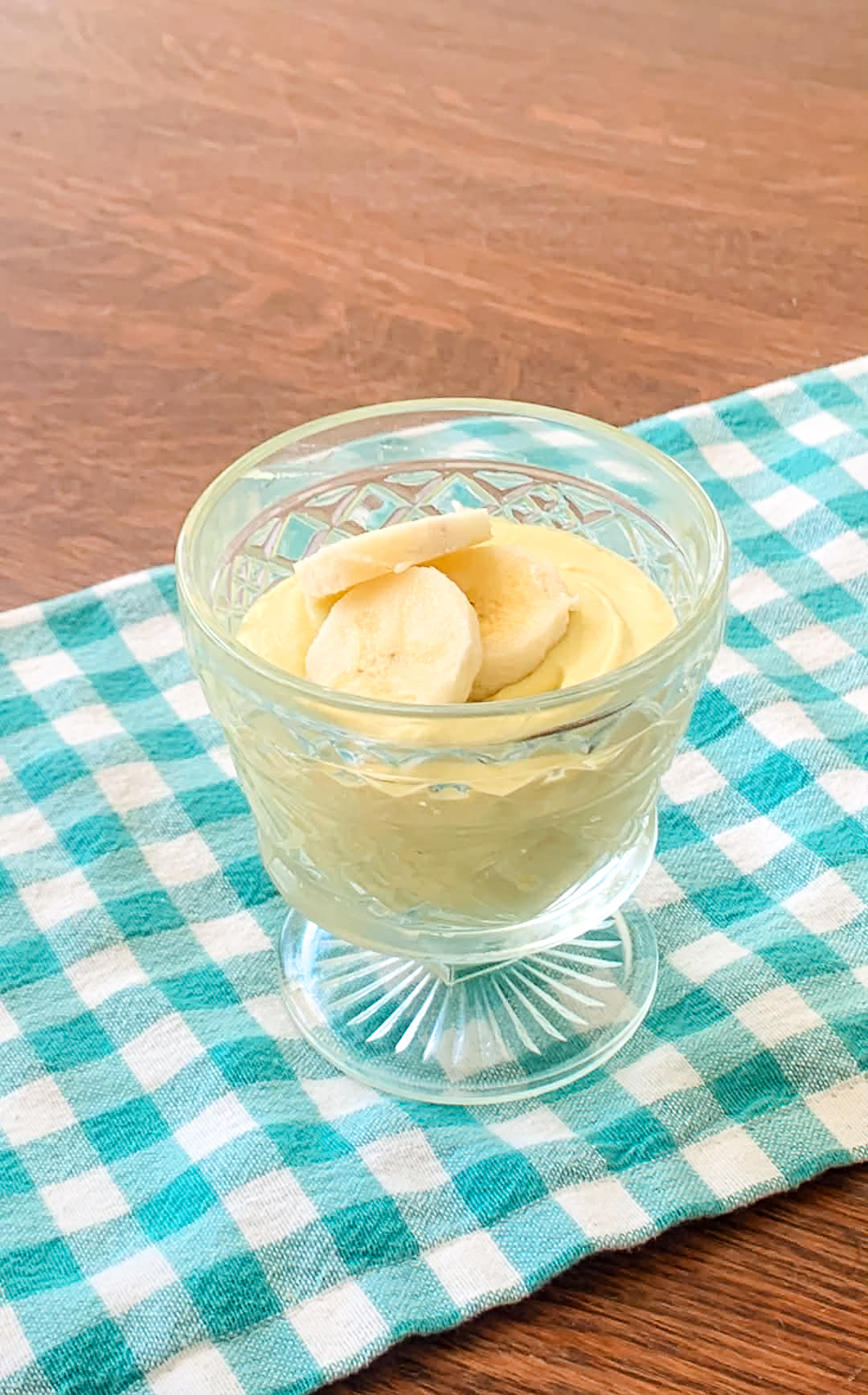
This is a genius way to sneak in more protein with little fuss. So little fuss I do not use a recipe.
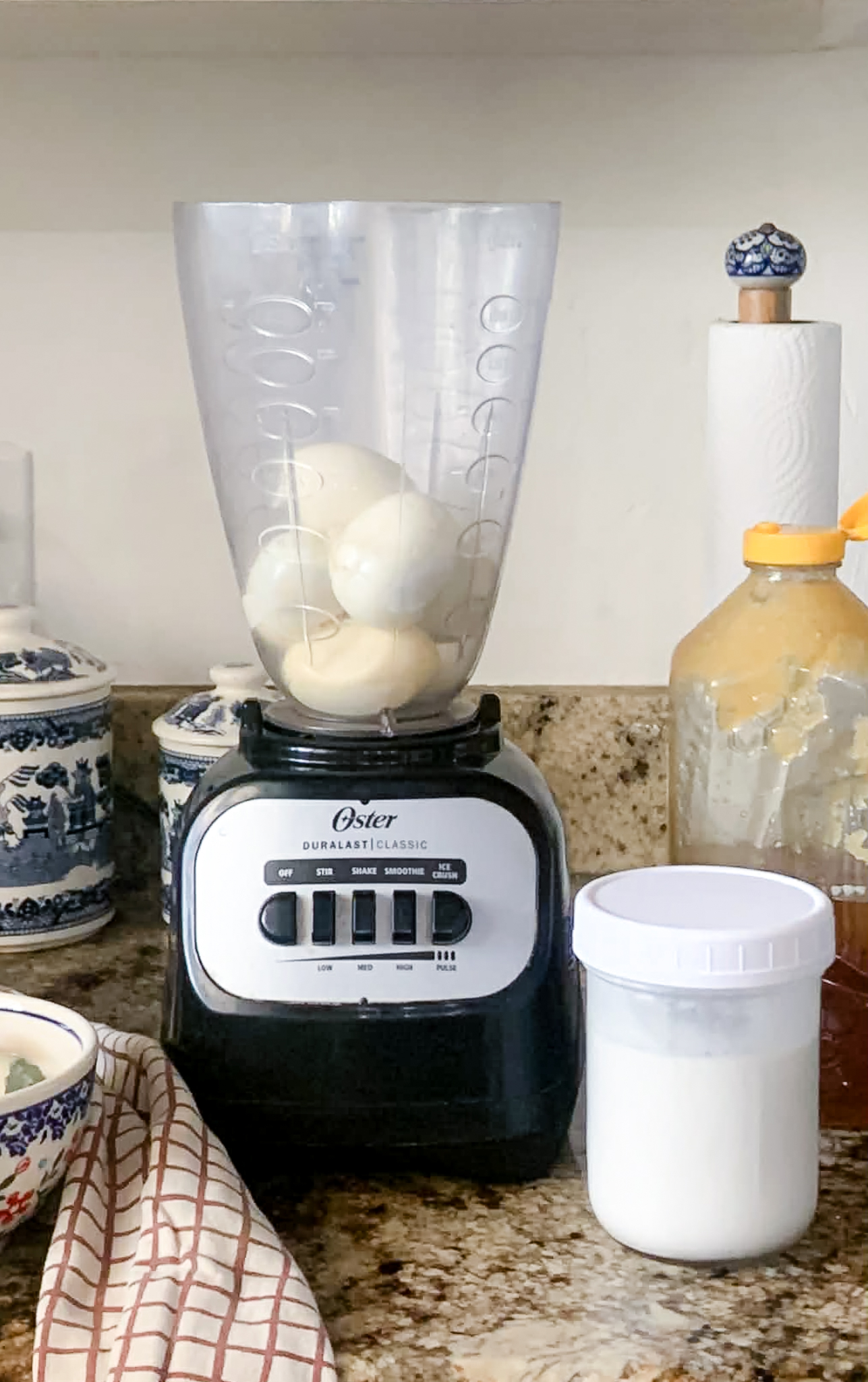
Add hard boiled eggs to the blender. Add a pinch of salt and enough milk/cream to desired consistency. Sweeten to taste.
Ite ad Joseph
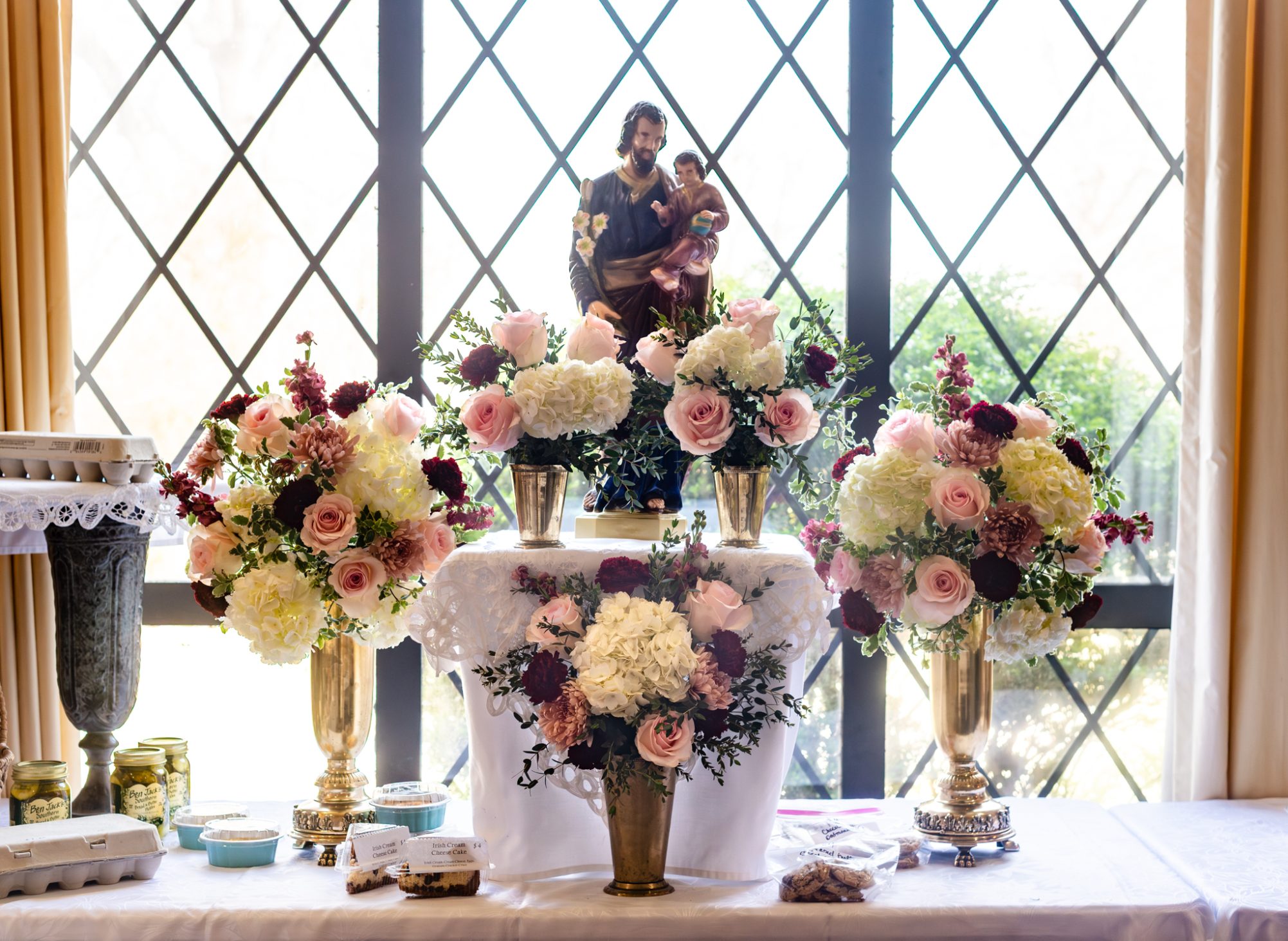
“In human life, Joseph was Jesus’ teacher in their daily contact, full of refined affection, glad to deny himself to take better care of Jesus. Isn’t that reason enough for us to consider this just man, this holy patriarch, in whom the faith of the Old Covenant comes to full fruition, as a master of interior life? Interior life is nothing but continual and direct conversation with Christ, so as to become one with him. And Joseph can tell us many things about Jesus. Therefore, never neglect devotion to him—Ite ad Joseph: “Go to Joseph”—as Christian tradition puts it in the words of the Old Testament (Gen 41:55)”
Bl Fulton Sheen
February Reads
Some quick thoughts on this month’s books.
The Little Catechism is written by the author of the wonderful Divine Intimacy. It is a short read but it proved to be challenging and a little divisive among my local readers. It is a Carmelite methodology and the focus is how to cultivate a deep contemplative interior prayer life, focused on the love of God.
The book introduces the concept of colloquy with Our Lord. Not quite an intellectual exercise though there is thinking. Not an academic exercise, though reading is often involved. Not always vocal though some vocal prayer can be foundational. However: “If we were the only ones to speak, ours would not be a colloquy. whereas St Teresa has taught that God does speak when we pray from our heart.” So it is vital that we quiet ourselves and not monopolize the conversation.
The Promise was a Well Read Mom title. It was a very different sort of novel for me, introducing a culture I was unfamiliar with and stirred up all sorts of thoughts about different types of parents and parenting, education, and a slice of history that I have not explored. The pacing was (deliberately?) slow.
I had questions at the end and when I realized there was a sequel I grabbed that too. It meets our main characters a few years down the road as the boys are in grad school and establishing themselves in their careers and relationships. There is a whole – also long and slow going – secondary plot about psychology and methodology. As with the first book I have a lot of feelings about the material explored. I don’t regret either read.
In between there was Emma. Naturally.
Henbit
The first harvest of the year is one I didn’t even plant. Not long ago the purple blossoms began to pop up and soon spread all over the empty garden beds, pathways, and across the lawn. My gardening group said it was henbit, a first food for pollinators. We were told it would give the bees a head start and eventually wither back, so I left it alone and enjoyed the view. Then my herbalism and foraging group mentioned “getting the henbit in” and I was intrigued.
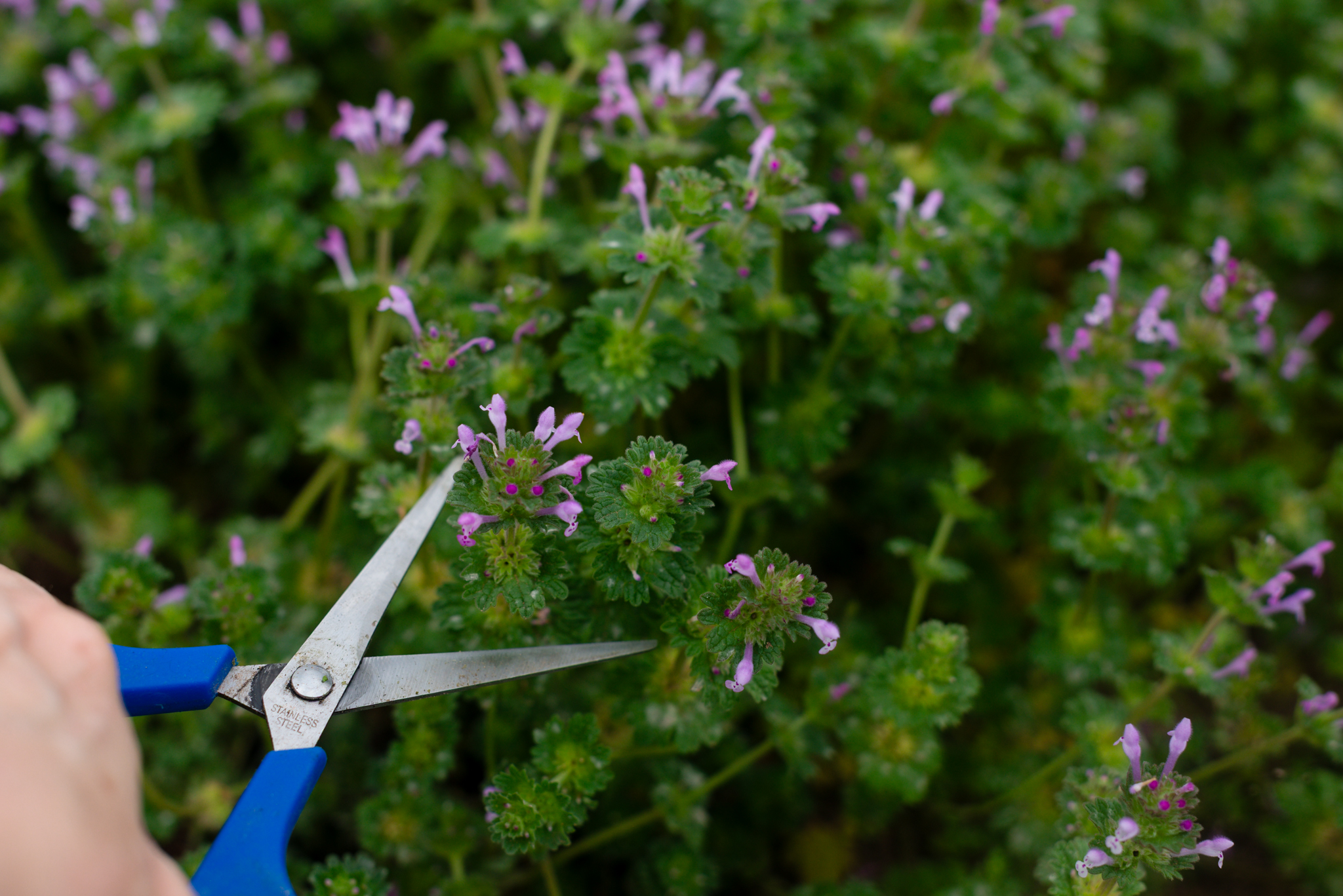
Henbit is in the nettle family and a source of vitamins C, A, E, and K. It is a natural anti-inflammatory and anti-rheumatic, used internally and externally. It’s been used for fevers and women’s health and anxiety disorders. Also – it’s free and everywhere I look in early spring.
I brought in two full canner pots this morning and have not made a dent in the crop – which is advised so it will repopulate next year. I rinsed and pat dried and they are air drying in the sunroom now. I hope to get a bit more in before they are finished.
How often what we discount as nuisance at best or outright discouraging is actually full of potential. A gift in disguise.


